The tender specification for a residential regeneration project now includes a line that wasn’t there ten years ago: environmental documentation required for gate automation components. Anyone who’s been installing sliding gate motors for years reads it and pauses. What exactly do they need to hand over? And does the product they’re about to quote already have this EPD certification, or does it need to be requested from the supplier before signing?
The term has been circulating in the industry for a while: specifications that cite it, suppliers that add it to their technical datasheets, colleagues who mention it at trade fairs. Plenty of installers have heard the name, but few know precisely what it actually certifies, or why it’s become an increasingly common requirement in specifications, including public ones, and in construction more broadly. It’s worth getting this clear before getting to the practical point: Able 24V sliding gate motors already have this EPD certification.
What EPD Certification Actually Certifies
Anyone typing “what is EPD certification” or “EPD meaning” into a search engine wants a quick answer. EPD stands for Environmental Product Declaration: a document that quantifies a product’s environmental impact across its entire life cycle. A simple way to think about it is as a nutrition label, but for the environment instead of calories: where a food label states how many grams of sugar or fat are in a portion, EPD certification states how much CO2, energy and resources went into producing a gearmotor, a panel or a window.
What actually matters to anyone who has to justify a technical choice is different: not all environmental declarations are equal, and ISO splits them into three families. Type I labels (ISO 14024), like the EU Ecolabel, are marks awarded by a third-party body based on multiple criteria set in advance, usually aimed at end consumers. Type II declarations (ISO 14021) are self-declarations: the manufacturer itself writes “recyclable product” or “low impact” on its own datasheet, with no obligation for external verification. EPD certification is a Type III declaration under ISO 14025, and it’s the only one of the three based on quantitative data measured through an LCA study and checked by an independent certification body before publication. Knowing this difference is, in practice, what lets you tell when a supplier is communicating something verified and when they’re simply writing a catchy line on a brochure.
In concrete terms, EPD certification is based on an LCA study – Life Cycle Assessment – which measures resource use and emissions from raw material extraction through production to use and disposal. The study follows Product Category Rules, or PCRs, which make the data comparable between similar products from different manufacturers: this is what lets you compare, for example, two sliding gate gearmotors from different brands on the same calculation basis. Everything is then verified by an independent, third-party certification body, accredited to recognised standards, before the document is published with a registration number and a validity date.
It’s also worth clearing up a second point that often confuses people coming across these requirements for the first time. EPD certification doesn’t replace CE or UKCA marking, which confirm that a product meets the mandatory safety requirements for placing it on the market. In Great Britain, CE marking for construction products continues to be recognised indefinitely alongside UKCA marking, so this isn’t a hurdle tied to one regime over the other. Either way, they’re documents with a different job: CE/UKCA marking answers the question “is the product safe and compliant?”, while EPD certification answers “what’s its environmental impact across its life cycle, and who verified it?” A product can have both, but only the second one counts towards the sustainability criteria in a tender specification.
Why EPD Certification Is Increasingly Required in Tenders, Including Public Ones, and in Construction
In 2019 the UK made its own climate target legally binding: an amendment to the Climate Change Act 2008 set a net zero greenhouse gas target for 2050, making the UK one of the first major economies to put that commitment into law. From there, a chain of policy and procurement reforms has been building, year after year, all the way to the specification a designer writes today for a construction site in the UK.
The first link concerns construction products themselves. Great Britain still runs largely on CE marking: in 2024 the government confirmed CE marking for construction products will keep being recognised indefinitely rather than forcing a switch to UKCA, while a wider reform of the product-safety regime remains under consultation. Under the Construction Products Regulations 2013 (as retained in UK law), designated product standards are mandatory rather than voluntary, unlike in most other sectors. The second link is on the procurement side: the Procurement Act 2023, in force since 24 February 2025, replaced the old procurement rules and requires contracting authorities to give environmental and social impact real weight in award decisions – a minimum 10% weighting for social value, which includes carbon reduction and sustainable practices, applies to in-scope contracts. Central government contracts worth more than £5 million a year already require suppliers to submit a Carbon Reduction Plan under PPN 006, and among the evidence increasingly used to support that plan is EPD certification for the components specified.
In practice, for anyone bidding on a public tender in the construction sector, EPD certification is no longer a decorative element of the technical offer. It’s often a scoring criterion in the evaluation, and sometimes an outright requirement tied to specific categories of components. And the demand doesn’t stop at public procurement: the most widely used private sustainability protocols, LEED and BREEAM – BREEAM being BRE’s own UK-born scheme – award specific credits to projects using products with documented EPD certification. This means that construction firms and designers working on certified private developments are also running into it increasingly often among project requirements.
Anyone working with installations, not just construction materials in the strict sense, is starting to see the same demand spread. Gates, barriers and automation systems are part of the finished work that a public client or a sustainability protocol assesses as a whole. Already having EPD certification for a component, instead of having to chase it down just before a tender deadline, is a genuine operational advantage.
Why Able 24V Sliding Gate Motors Already Have EPD Certification
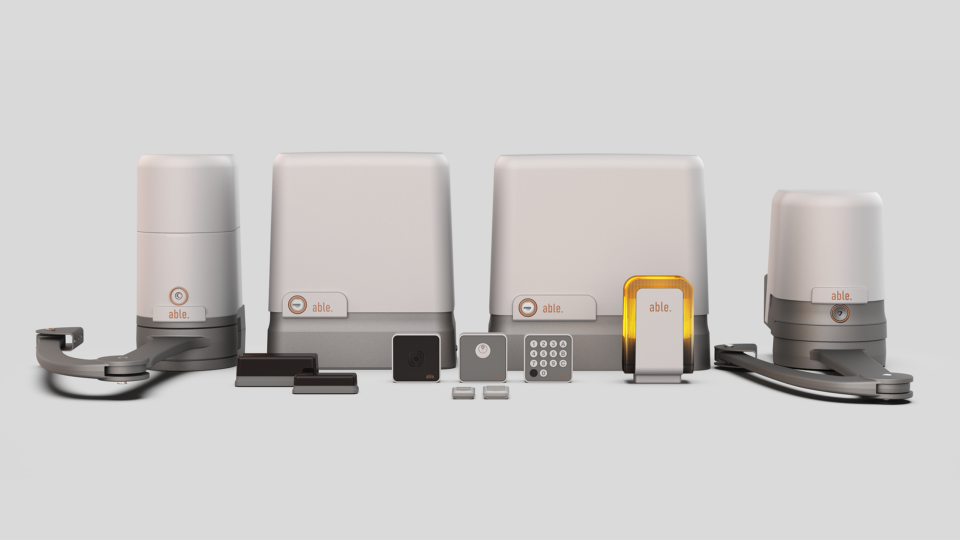
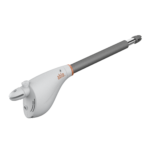
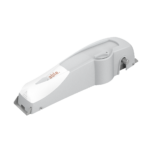
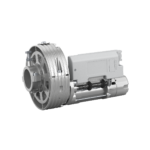
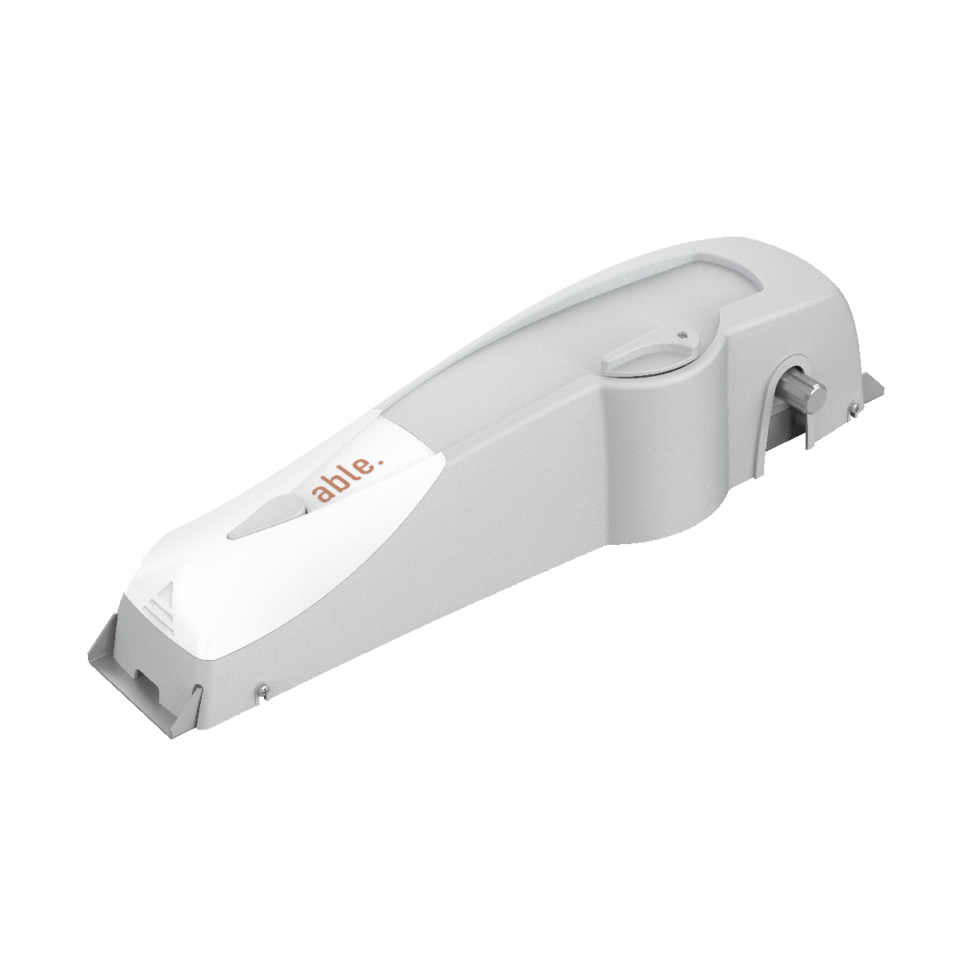
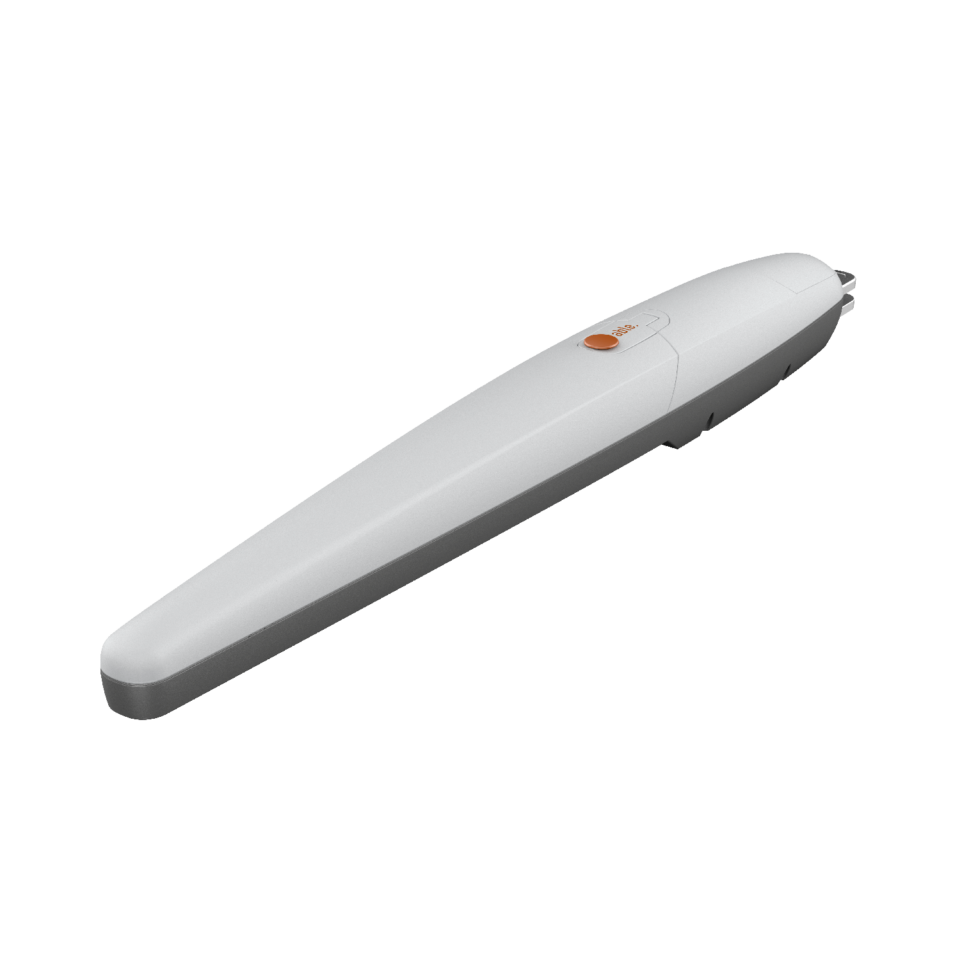
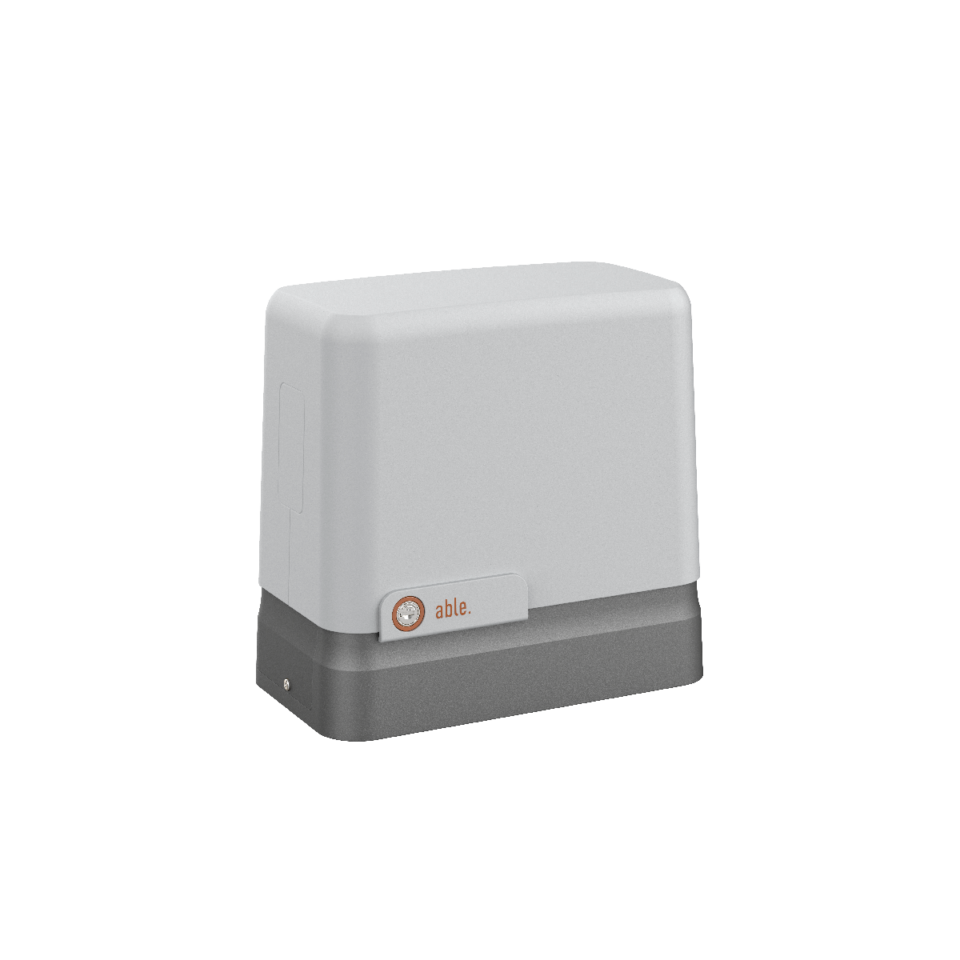
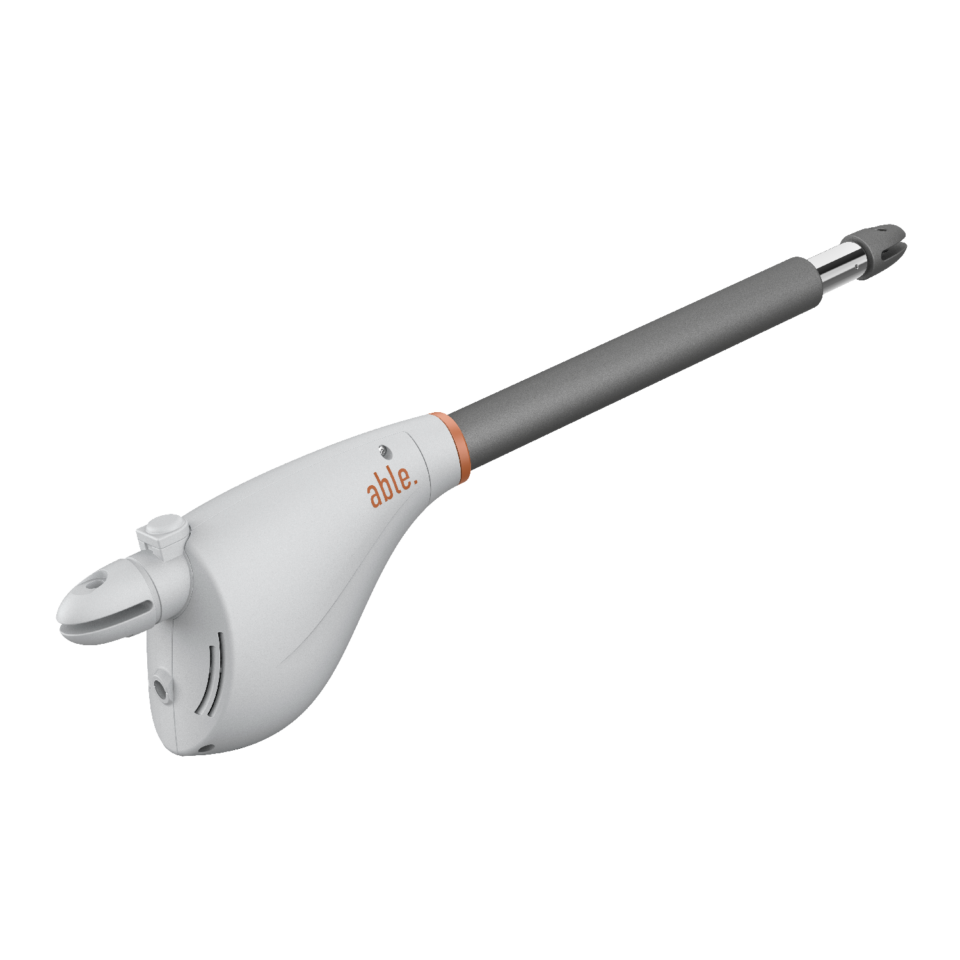
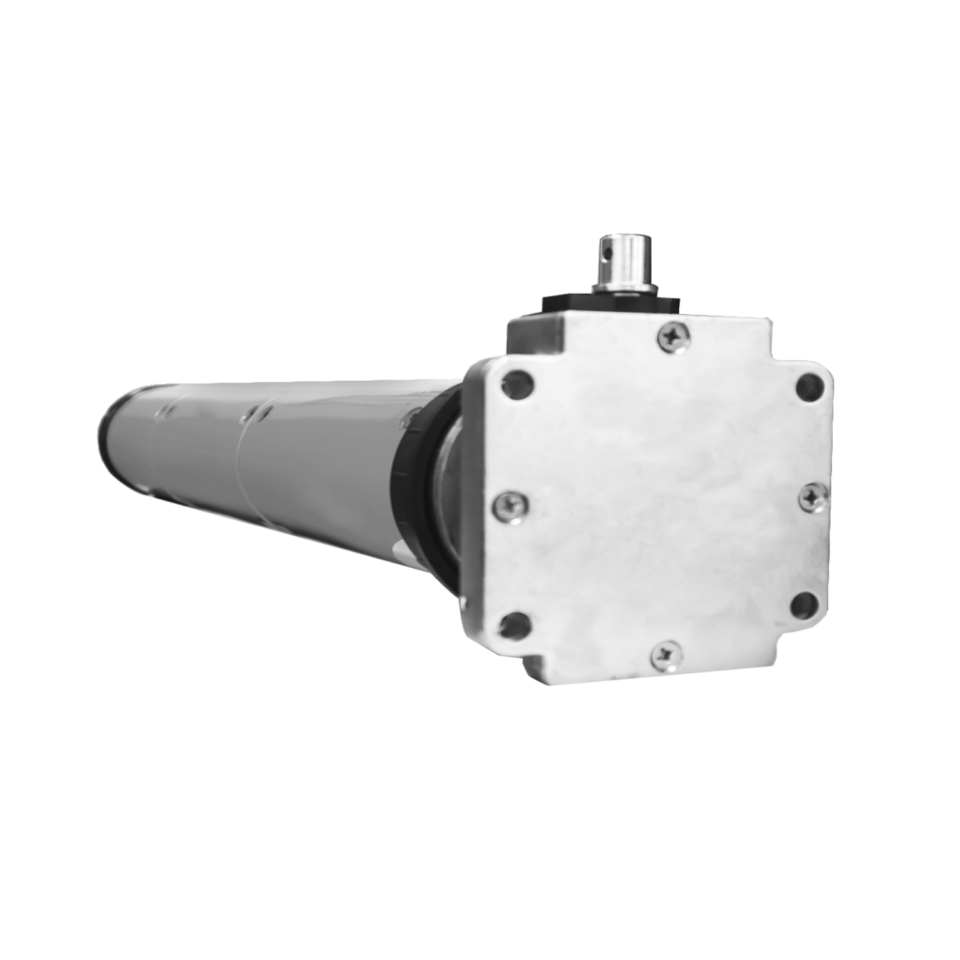
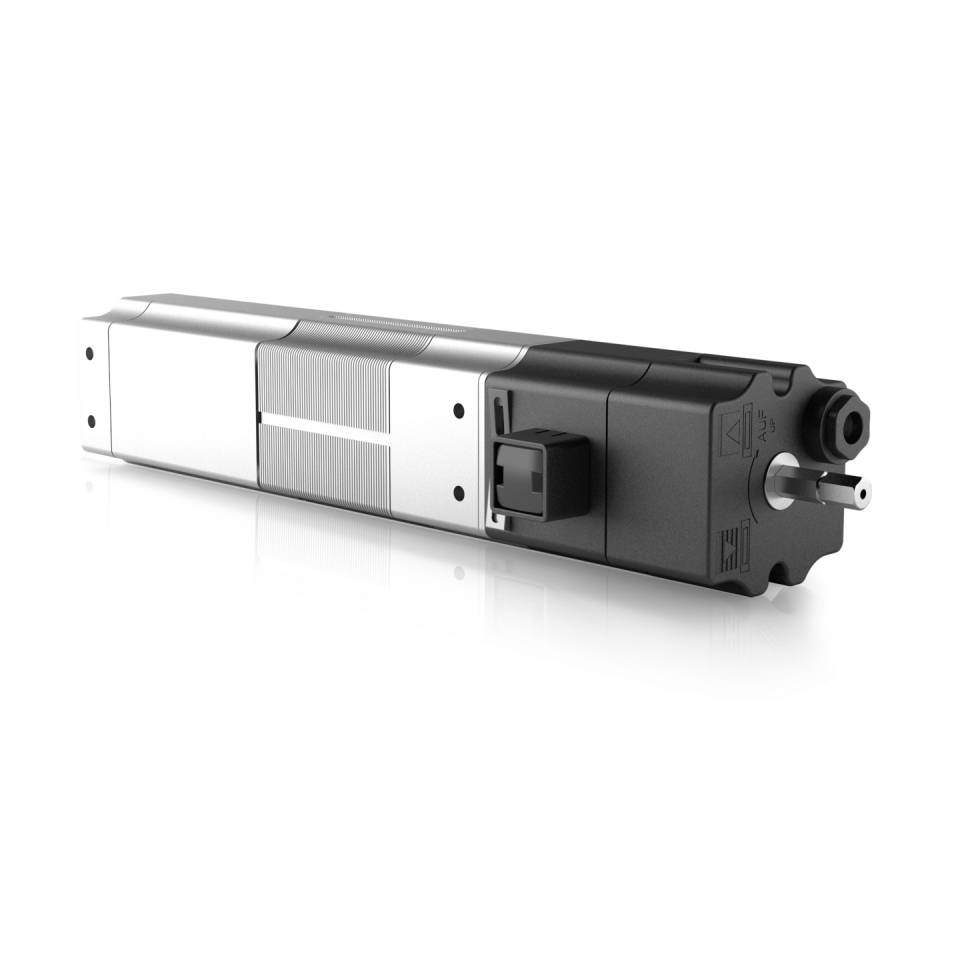
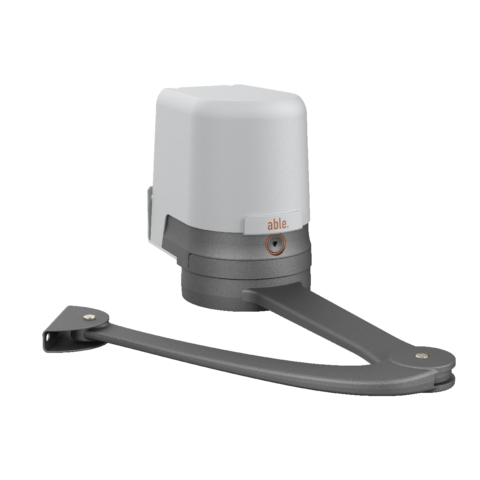
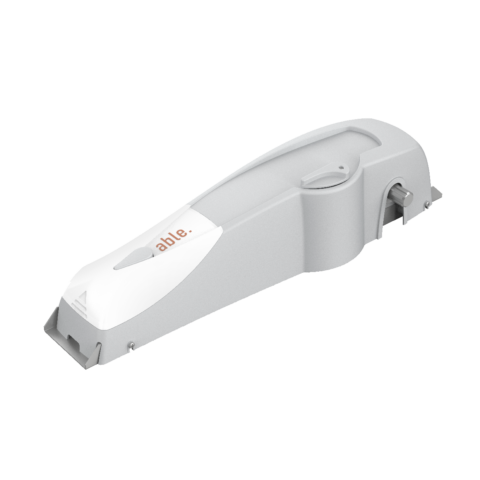
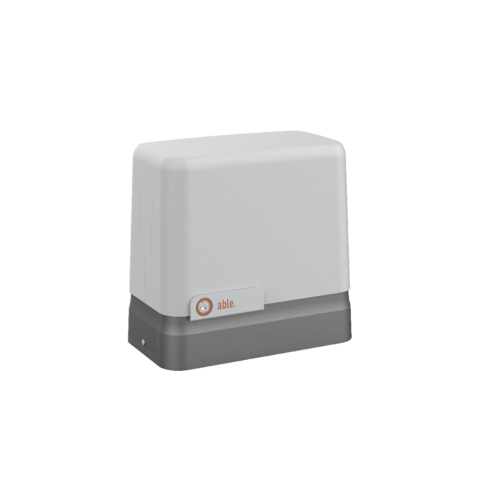
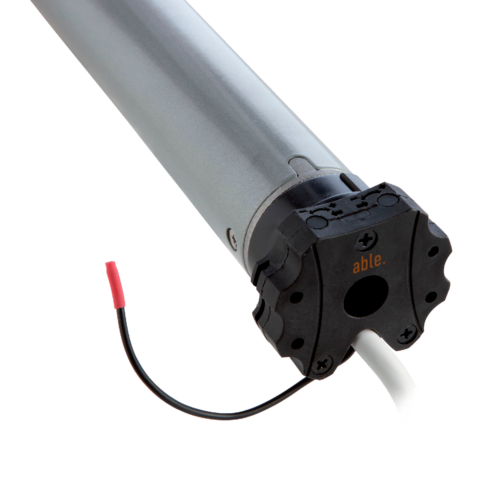
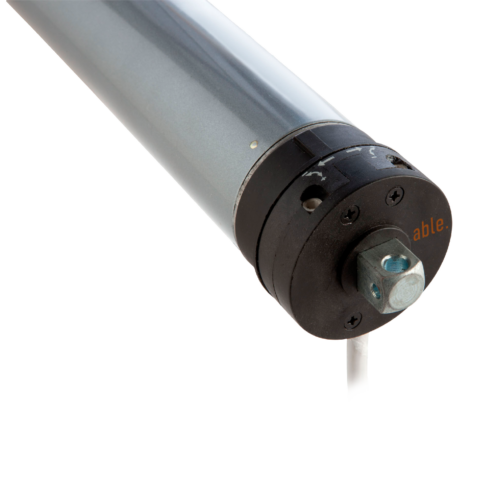
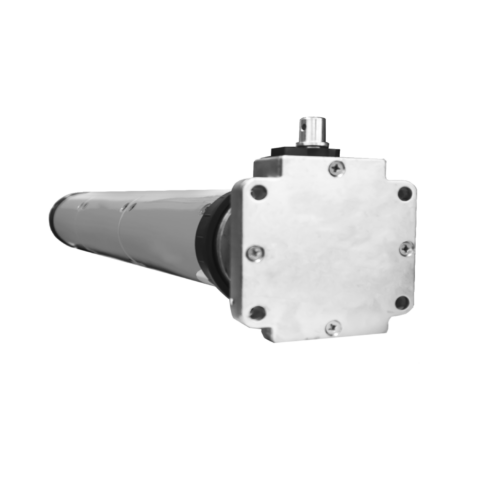
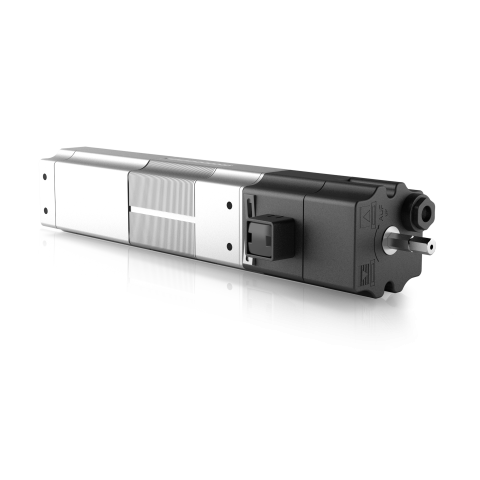
Here’s the practical part. The 24V versions of Able’s SL-Series range – gearmotors for sliding gates up to 400 kg (SL Small) and 1,000 kg (SL Medium) – list EPD certification to ISO 14025 among the product features in their official technical documentation. This isn’t a project in progress or an announcement: it’s an entry already sitting on the datasheets for these models.
This means that anyone choosing an Able 24V sliding gate motor today for a project that requires EPD certification doesn’t need to raise a request with the supplier, wait for a response, or – worse – discover after submitting the bid that the product doesn’t have the necessary documentation. The motor’s EPD certification is already part of the product datasheet, ready to attach to the tender documents.
It’s not an isolated data point. The 24V versions in the range were designed from the outset for reduced energy consumption: up to 90% less electricity use than equivalent solutions, standby absorption below 0.5 W compliant with the EU 2023/826 ecodesign regulation, and the option of solar-powered operation via the ECO-LOGIC system where the installation supports it. The painted aluminium casting, a recyclable material, rounds out a technical profile that makes EPD certification consistent with the rest of the build choices, not an isolated add-on designed purely for marketing purposes.
For anyone evaluating a supplier on technical grounds, this is the point that really matters: EPD certification doesn’t replace the other assessments, like the gate’s weight capacity, duty cycles or compatibility with the existing installation. It sits alongside them, adding one more verified data point when it’s time to justify the choice to a client or a tender evaluation committee.
What Changes for Anyone Who Has to Justify Their Choice of Supplier
Picture two bids for the same project: a motor from another brand with “eco-friendly” written on the datasheet, and an Able 24V sliding gate motor with EPD certification already registered under ISO 14025. Only the second one gives the contracting authority, or the private client, a piece of data verified by a third party, traceable and ready to go on record. That’s the difference that counts when a bid is compared against others.
If you work as an installer bidding on tenders, as a construction firm or as a designer, the practical value of EPD certification shows up when you write the technical report for the bid or the compliance report against the specification. Having a document verified by a third party, backed by a recognised certification body, shifts the conversation from “the supplier says it’s sustainable” to “there’s a technical document that proves it, with these figures”.
To bring EPD certification into a tender usefully, you generally need three elements: the product datasheet stating compliance with ISO 14025, a clear reference to where the full declaration document can be found, and consistency between what’s declared and the product’s other technical features, so no contradictions surface when the bid is checked. Anyone working with suppliers that already build these elements into their standard documentation saves time at the most delicate stage of a tender, the one where the evaluation committee checks that the technical bid matches the specification point by point.
There’s also a second effect, less immediate but just as concrete. A designer who specifies a product with EPD certification already available in a private tender specification reduces the risk that, during the bidding process, competitors will offer alternatives without the same documentation but sold as equivalent. In this sense, EPD certification also becomes a technical criterion that helps define precisely what’s actually being asked for, instead of leaving room for interpretation to whoever is bidding.
For a construction firm working on sites certified under LEED or BREEAM, the same document serves another purpose: it contributes to the documentation the project’s sustainability team has to submit to earn the credits the protocol allows for. In these cases, the sliding gate’s EPD certification isn’t a minor detail next to the structural materials: it’s one of the many pieces that, added together, get the project over the required scoring threshold.
Anyone choosing between multiple suppliers of sliding gate automation today can therefore ask themselves a simple, concrete question: does the product already have documented EPD certification, or is it a promise to be checked later? In the case of Able 24V sliding gate motors, the SL-Series range, the answer is already written on the datasheet.
Anyone who wants to check the range’s technical features in detail can look at the SL-Series page on the Able website, or contact the sales team directly to receive the full EPD certification documentation to attach to their tender bid. You can download the EPD certification here (registration no. EPD-IES-0016531:002, International EPD System, valid until 11 October 2029).
What are you searching for?
Find the best product for you in few simple steps.