The same customer calls back six months later, for the same gate, with a fault that looks identical to the one you fixed last time. For anyone working in the field, this is the automatic gate maintenance that really hurts: not the callout itself, but the fact that it happens again. Time spent revisiting a system you’ve already worked on is time taken away from a new quote, and customers rarely agree to pay in full for a second callout on the same fault. For an installer, what really eats into profitability isn’t scheduled maintenance, but the repeat of interventions on the same system: every callout absorbs time that could go into new installations or other higher-value work.
This article isn’t about how to carry out automatic gate maintenance. Instead, it looks at three design choices that can help reduce unplanned callouts over time: self-learning control units, digital menus that allow precise adjustments, and mechanical and electronic components engineered for reliability and long service life.
Why automatic gate maintenance eats into margin, not turnover
A callout on a gate that’s already installed doesn’t generate the same margin as a new system: there’s travel time, diagnostic time, and often a share of the cost the customer already considers covered by warranty or by the previous visit. If a technician makes two callouts to the same gate within a year, that half-day of work is time that doesn’t go towards a new quote, a system waiting to be automated, or a customer paying in full. It’s the hidden cost of automatic gate maintenance that keeps repeating instead of closing out. Across a portfolio of thirty or forty gates under contract, even three or four repeat callouts a year for the same fault add up to entire days pulled away from more profitable work. Automatic gate maintenance only becomes an economic problem when it repeats, not when it happens once. It’s also worth remembering that periodic maintenance isn’t optional: the Machinery Directive 2006/42/EC, implemented in the UK through the Supply of Machinery (Safety) Regulations 2008, and the EN 12453 standard require regular checks on automatic gates, so for installers the realistic goal isn’t avoiding scheduled automatic gate maintenance, but stopping it from multiplying beyond what’s planned.
From here comes the question that really matters for anyone assessing a system on site: which design features can help reduce the chances of the same problem coming back over time? It’s a different question from the one you usually ask in front of a faulty gate, because it’s not about fixing today’s problem. It’s about reducing the odds that the same fault triggers another callout a few months down the line.
Three design factors to weigh up when you want to cut unscheduled maintenance
Cutting unscheduled callouts doesn’t mean eliminating maintenance. It means designing the system to limit the causes behind repeat faults. Three design factors can make the difference here: a control unit that can self-learn the main operating parameters, adjustment tools that are precise and easy to use, and components engineered for long-term reliability. None of these remove the need for periodic maintenance, but they can help cut down on callouts caused by poor adjustments, imprecise settings, or premature wear on certain parts. Weighing up these factors when choosing an automation system, or replacing an existing one, means investing in a solution designed to hold its performance over time and reduce the likelihood of repeat visits. These features come into play at different stages of a system’s life: self-learning simplifies the initial setup, digital menus allow more accurate adjustments during installation and maintenance, and build quality helps keep the system reliable and performing well over the years.
Self-learning: getting the setup right from the very first installation
A large part of an automation system’s reliability is decided during that first setup. A parameter set incorrectly during commissioning rarely causes a problem straight away. It tends to surface months later, in the form of another adjustment callout: exactly the kind of automatic gate maintenance you’d rather avoid.
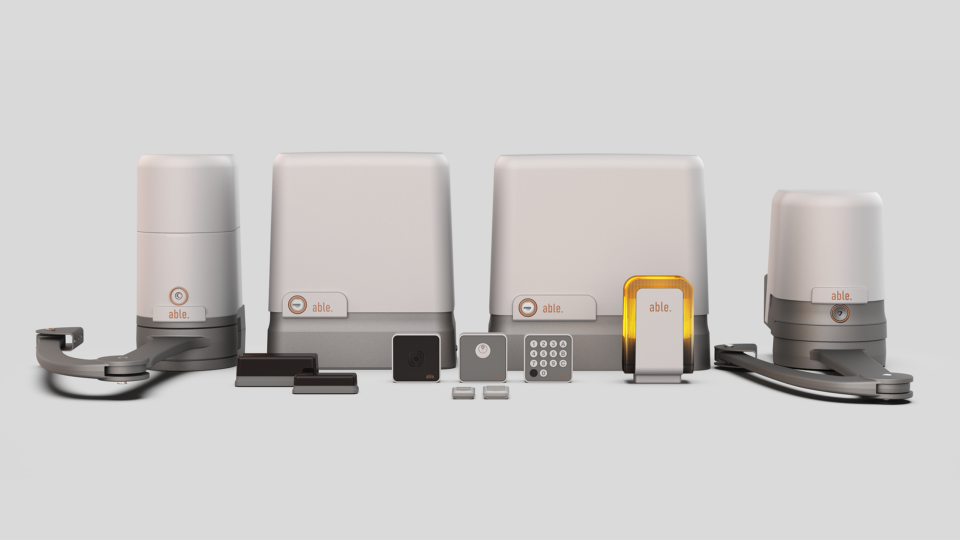
Able’s digital control units include self-learning functions that automatically detect the system’s main operating parameters and set a consistent baseline configuration for the automation. Installers can still fine-tune individual parameters when needed, but they’re starting from an already optimised setup rather than from scratch, cutting the risk of incorrect initial settings that turn into fresh automatic gate maintenance a short time later.
The aim isn’t to replace the technician’s expertise, but to simplify commissioning and help keep the system running smoothly over time. Fewer imprecise adjustments at the outset means, in practice, less automatic gate maintenance needed just a few months down the line.
Digital menus: precise adjustments, more stable systems
Every installation is different: leaf weight, length, environmental conditions, connected accessories and usage frequency all tend to call for dedicated adjustments. A setting made by eye, with no way to fine-tune it precisely, is one of the most common causes of automatic gate maintenance coming round again quickly. The gate works, just not quite right, and sooner or later someone calls back.
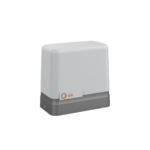
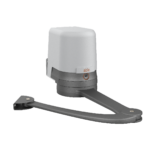
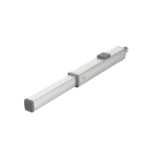
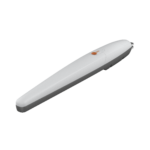
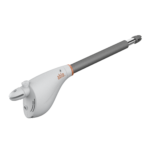
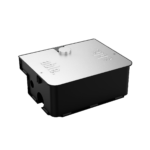
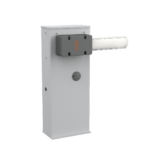
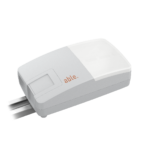
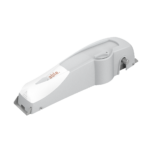
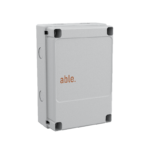
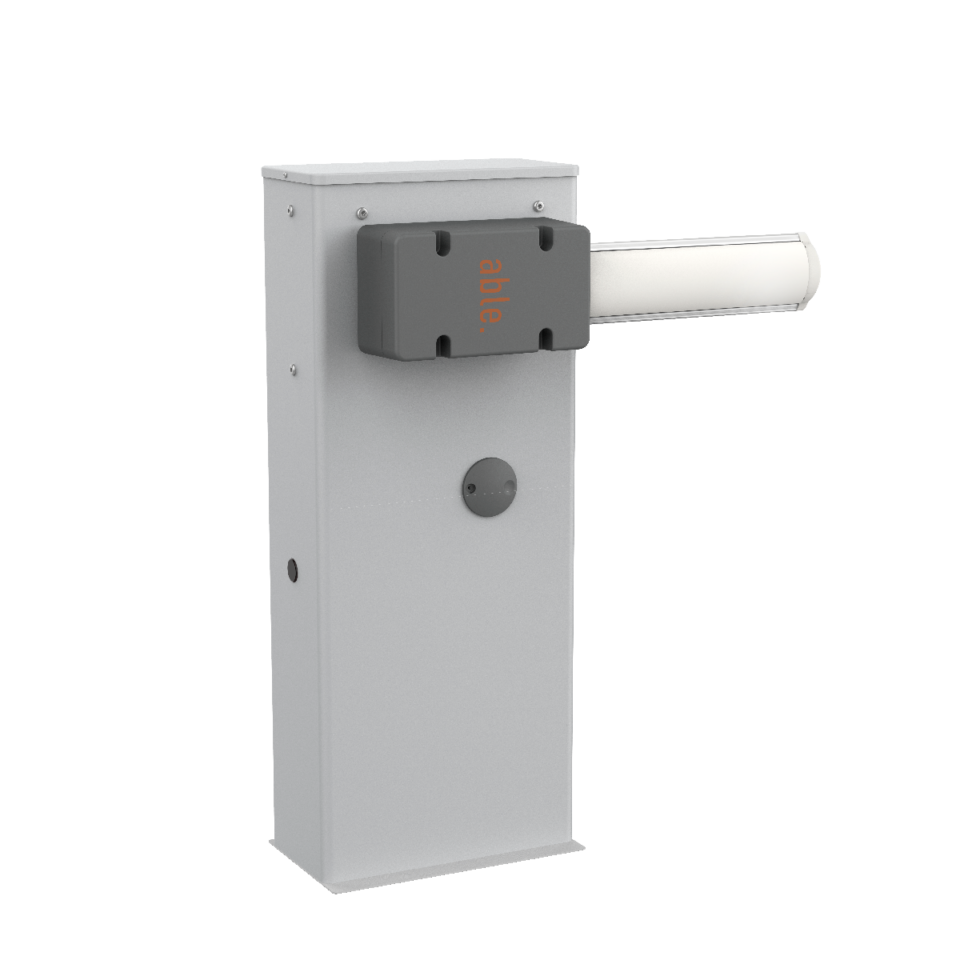
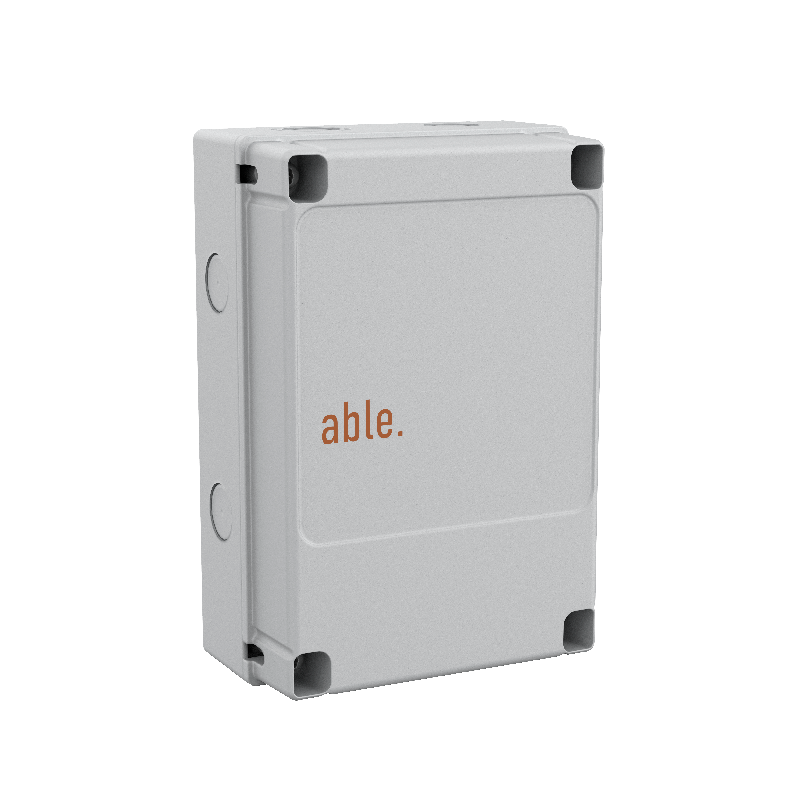
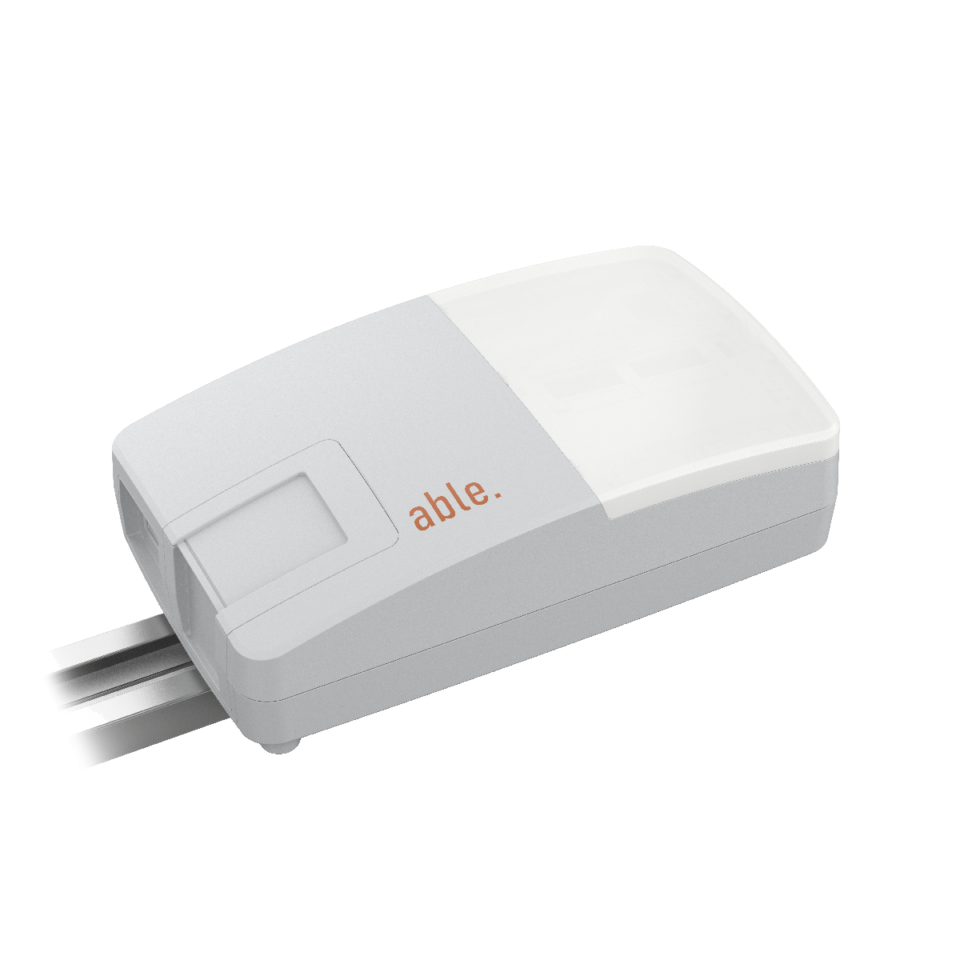
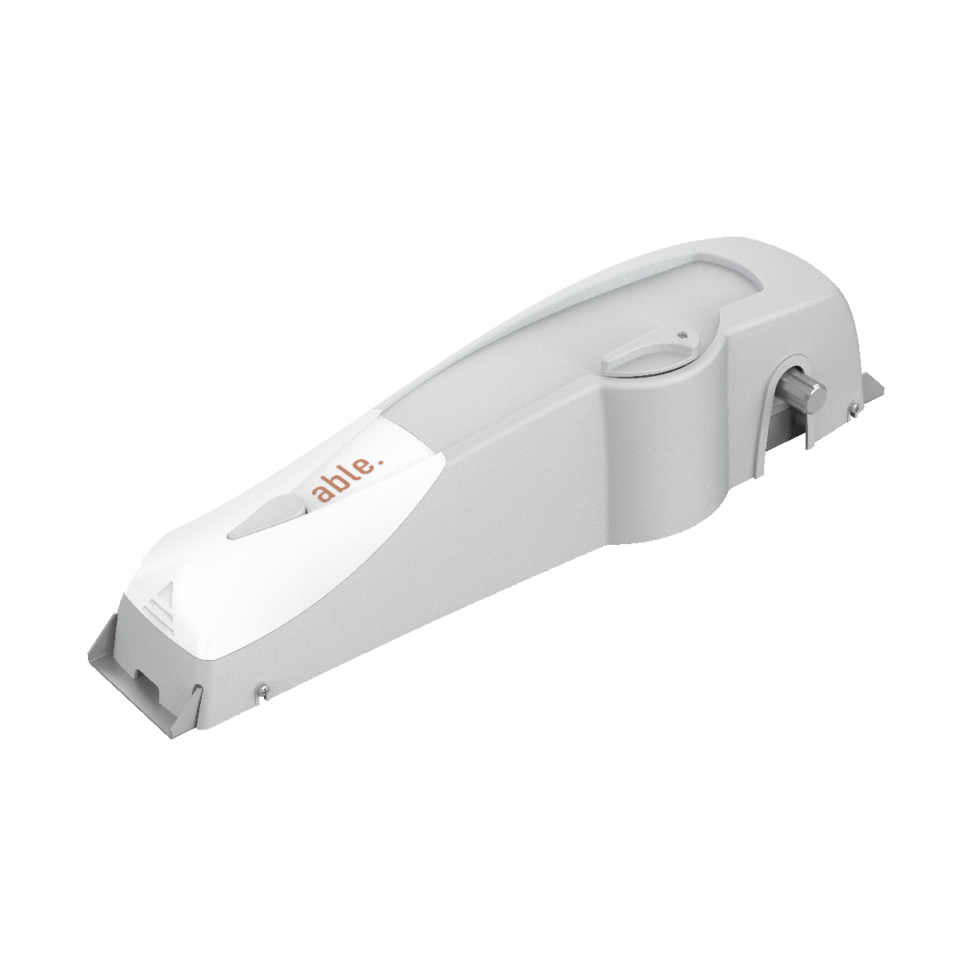
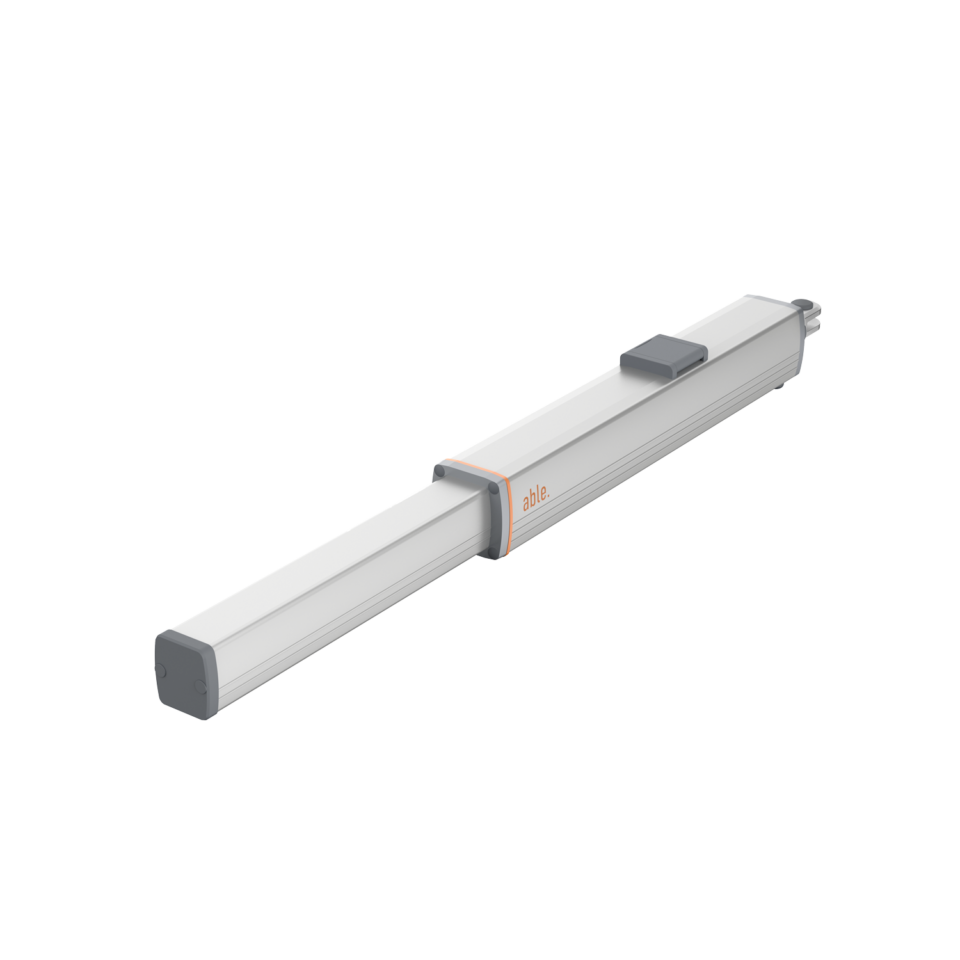
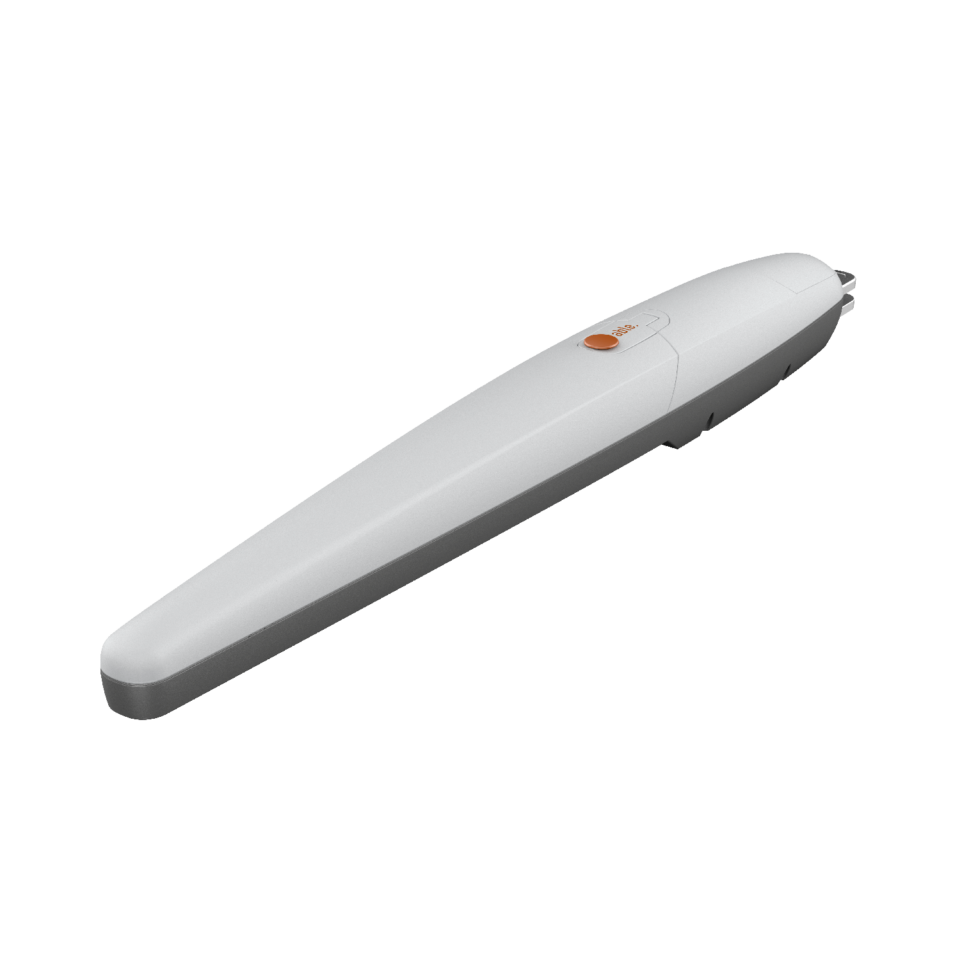
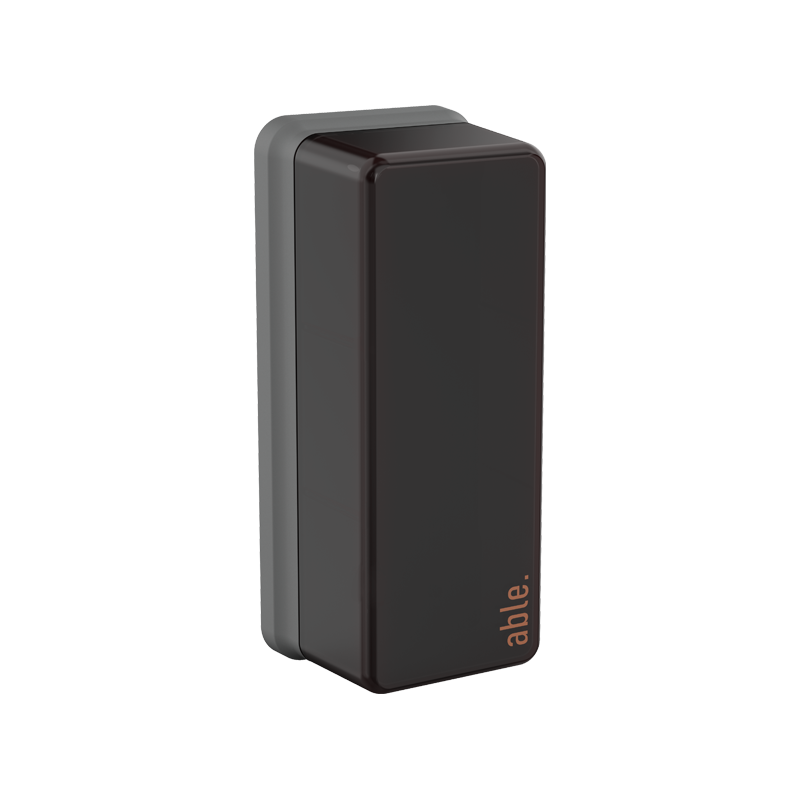
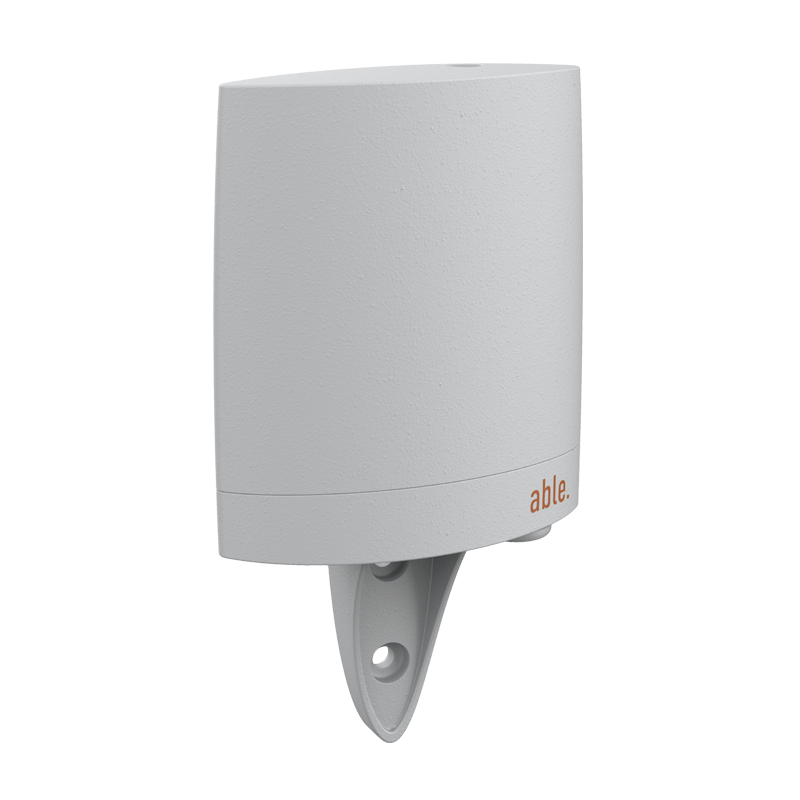
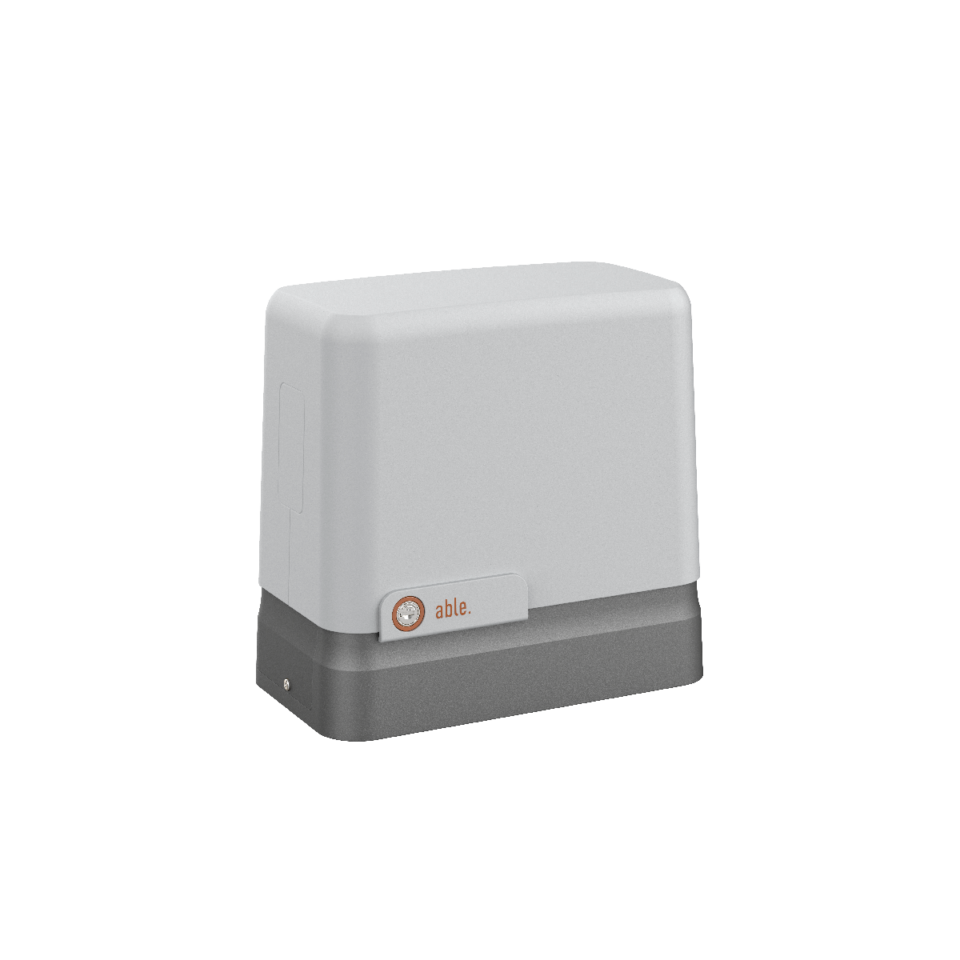
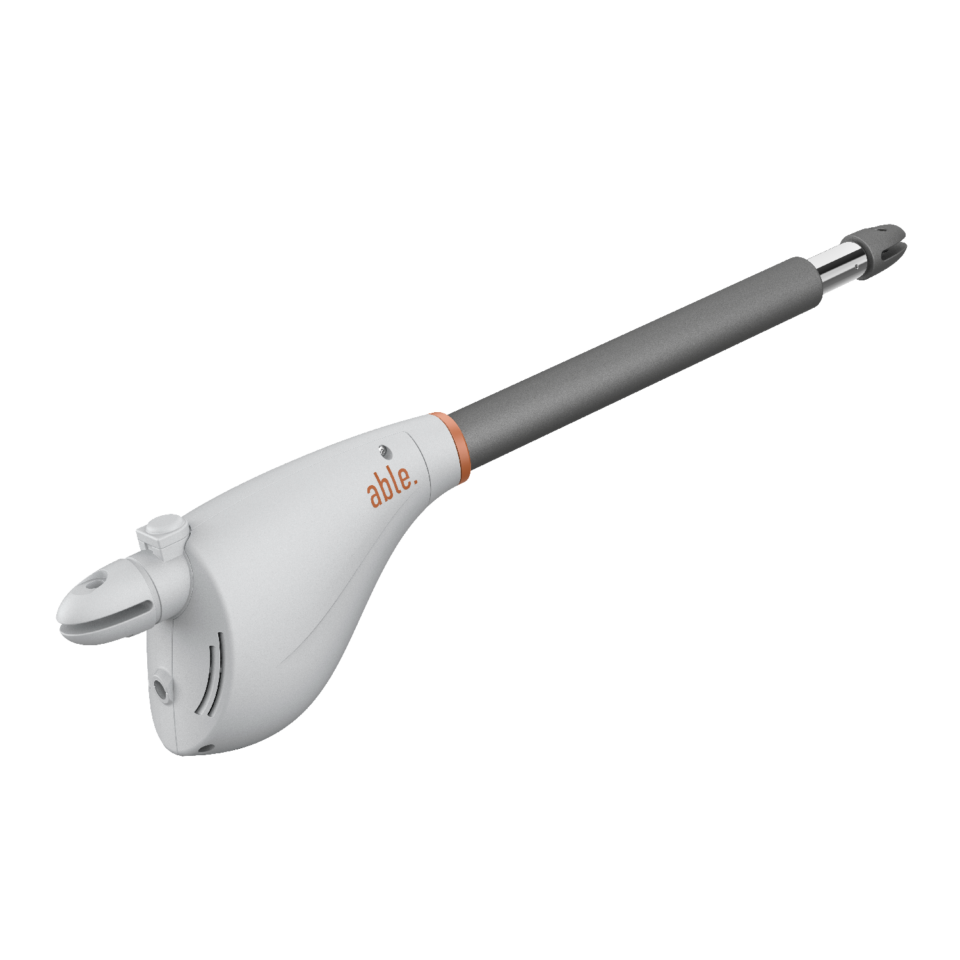
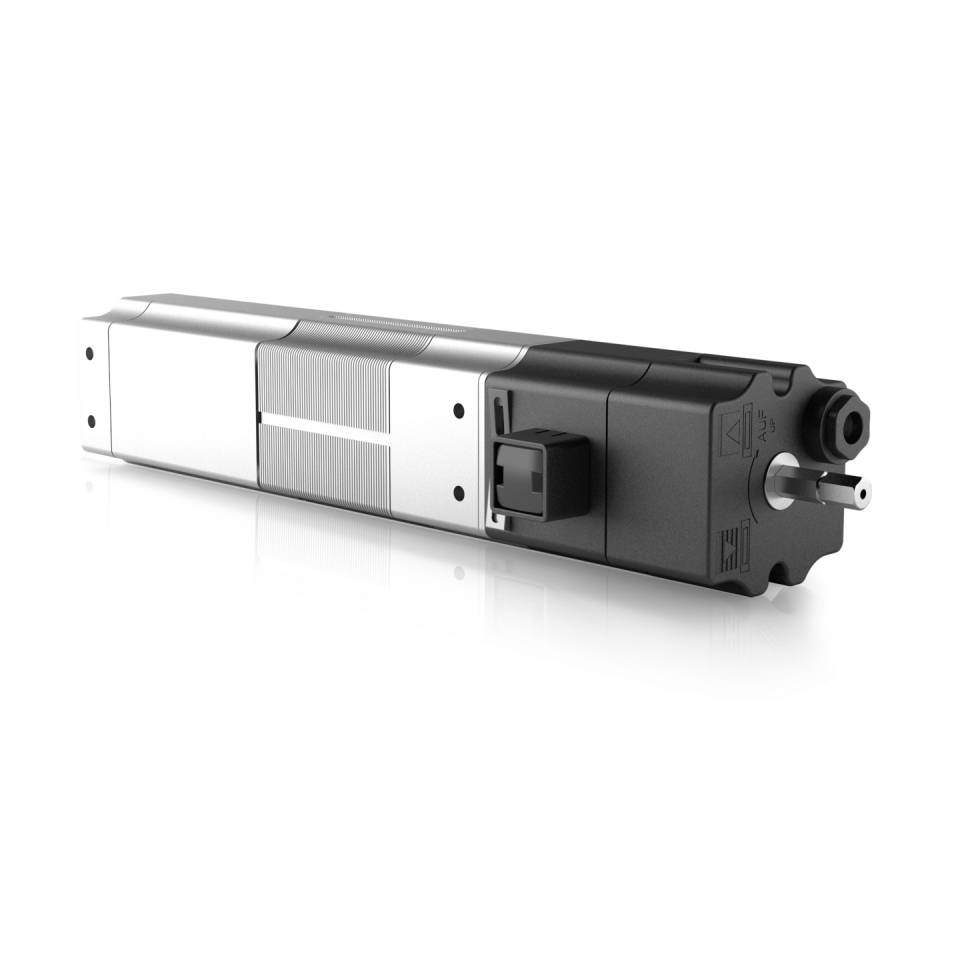
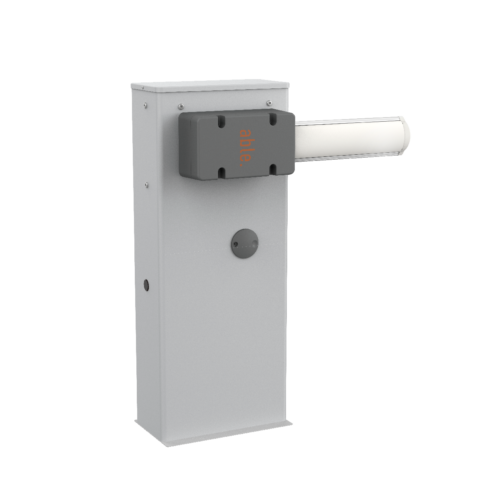
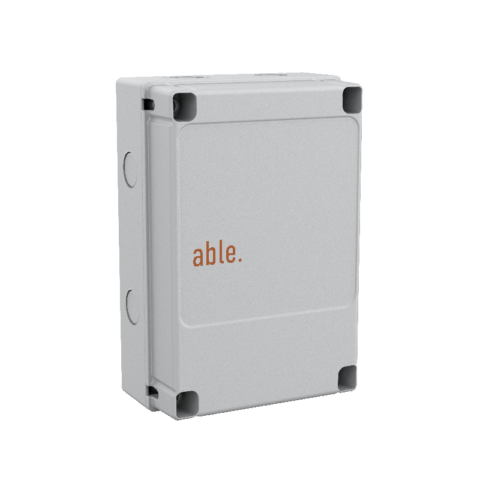
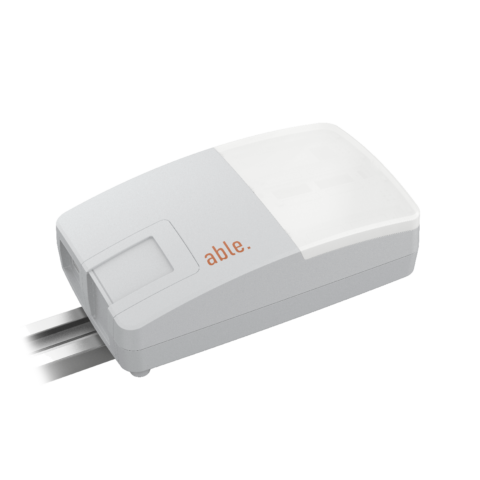
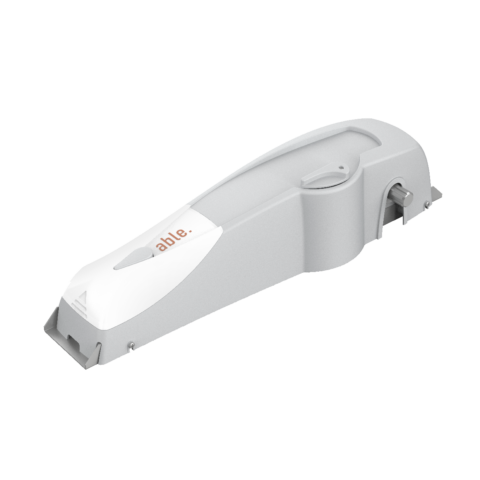
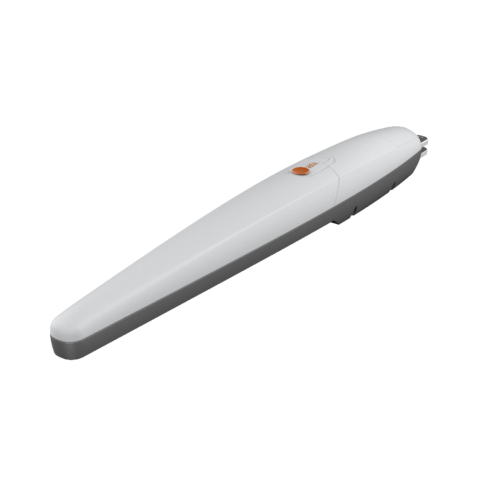
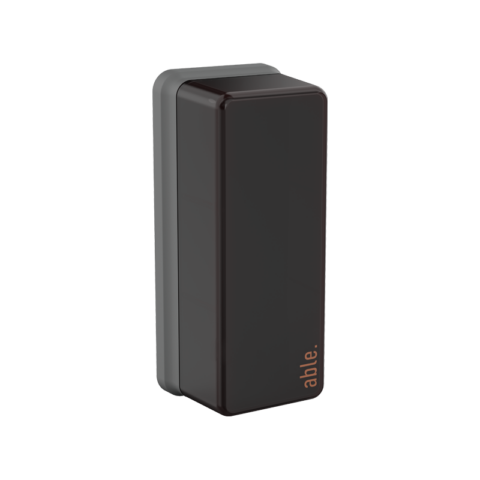
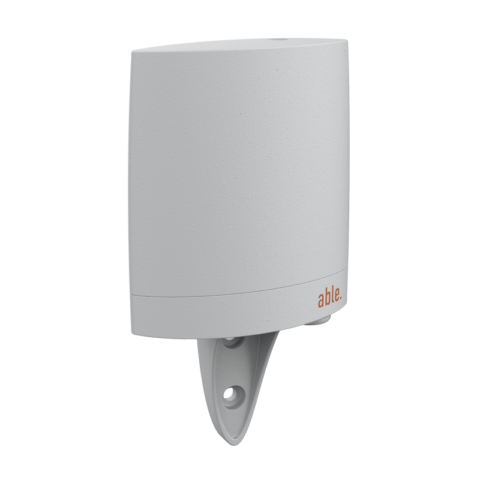
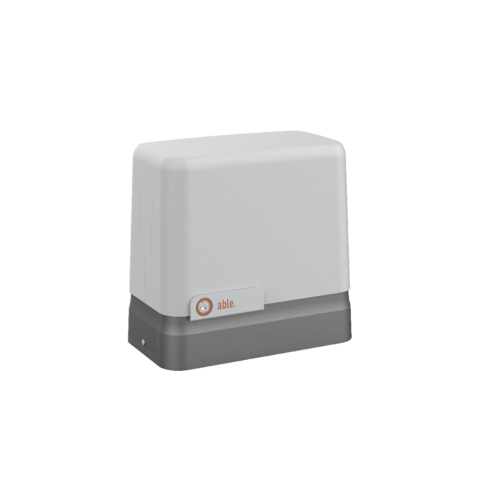
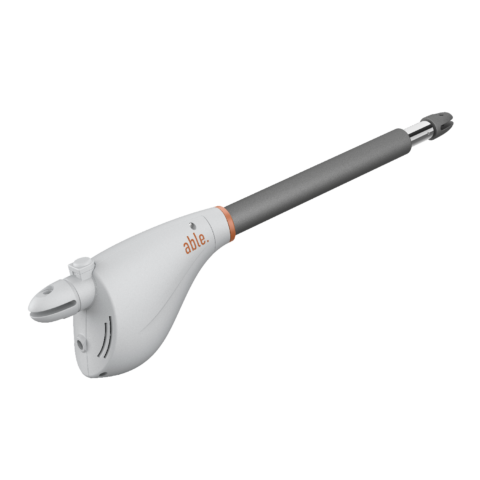
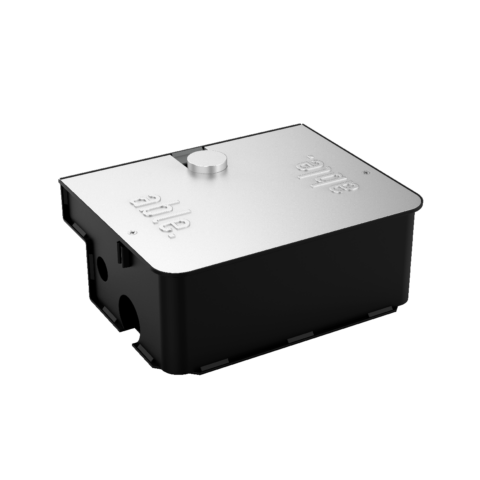
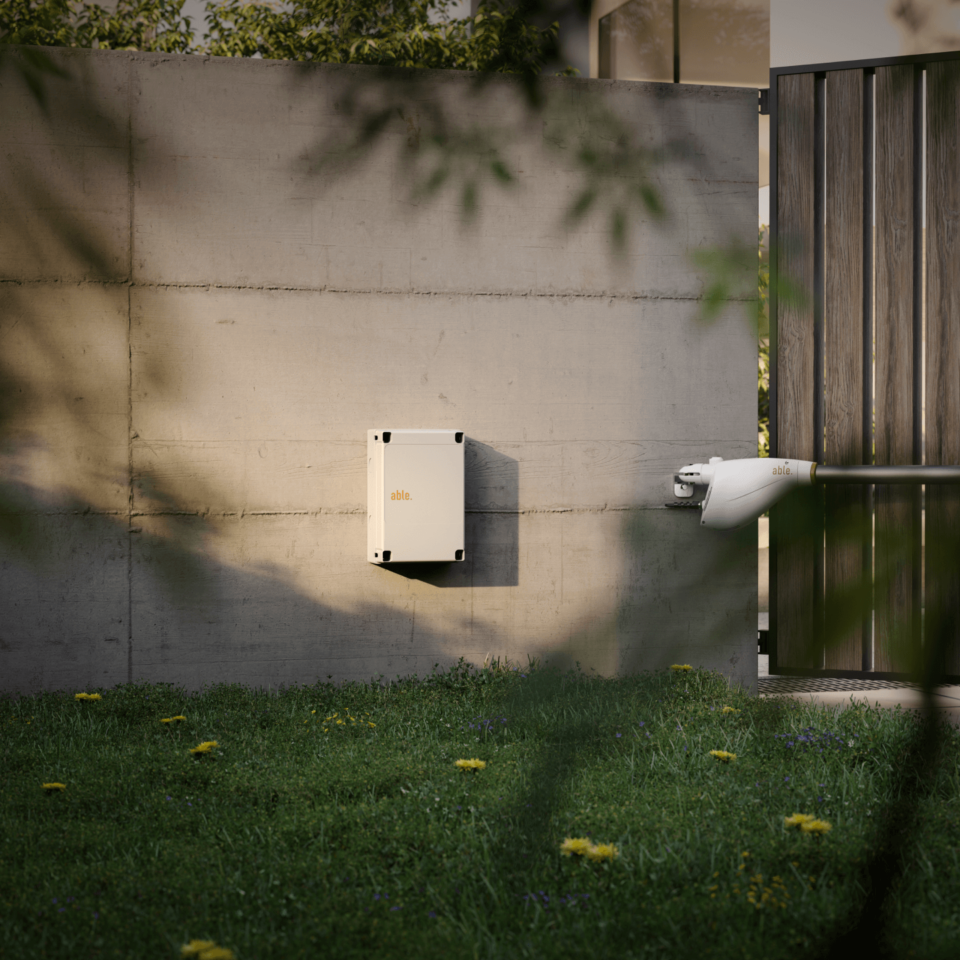
Able’s digital control units, built into the SL Series, the AR Series and the BA Series, or available as standalone control units in the CX Line, come with intuitive displays and menus that make it simple to adjust the operating parameters clearly. Precise, easy-to-check, easy-to-change settings let installers fine-tune the automation during commissioning and, when needed, during later maintenance visits too.
An accurate setup won’t eliminate future callouts, but it does cut down the ones caused by imprecise adjustments, still among the most frequent causes of unplanned automatic gate maintenance.
Components engineered to last
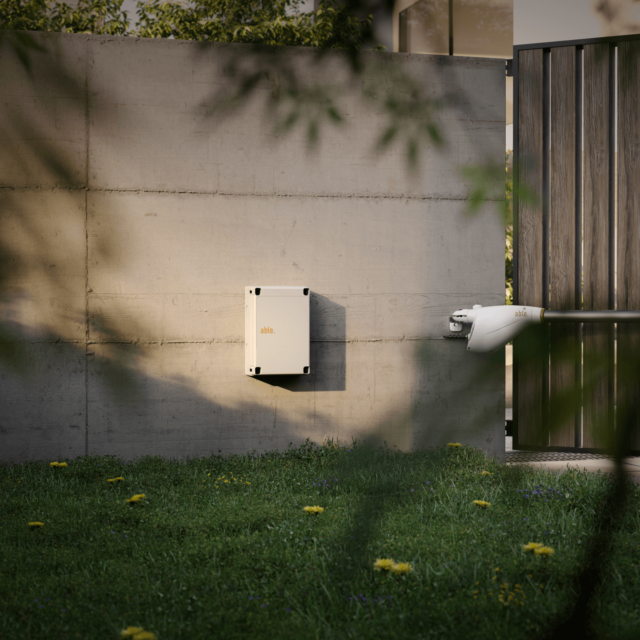
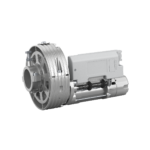
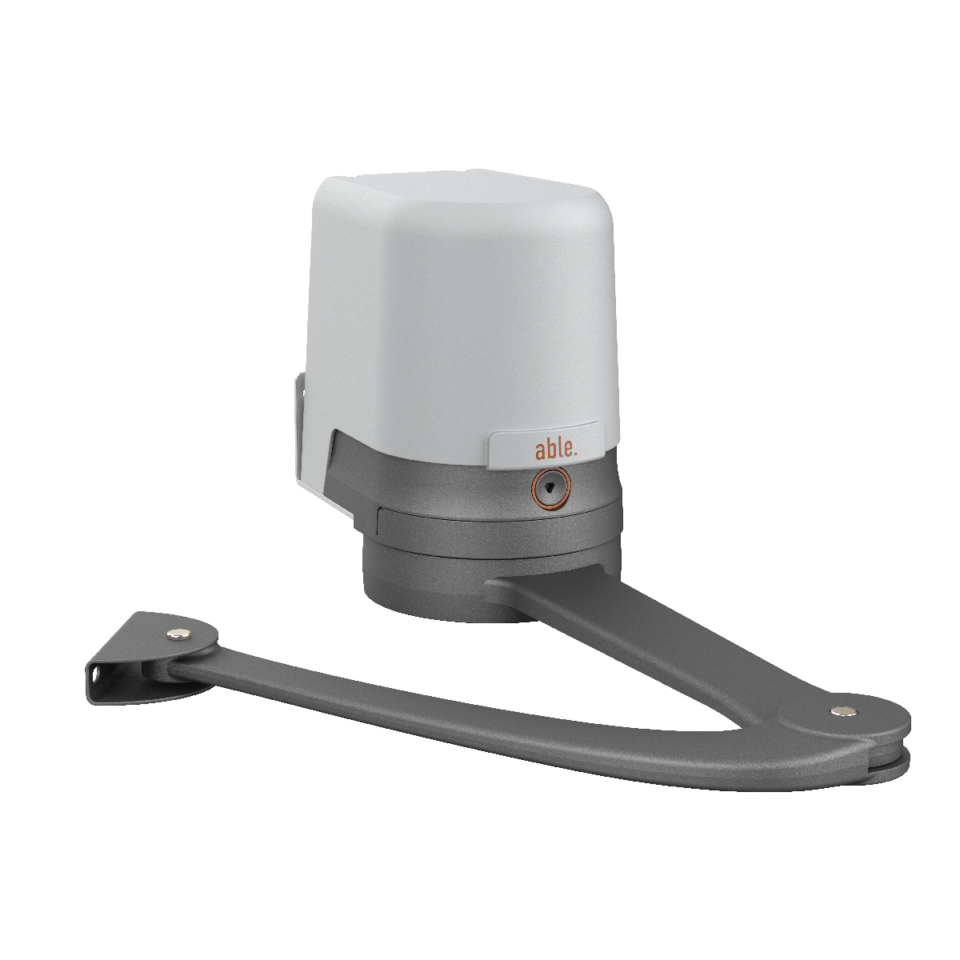
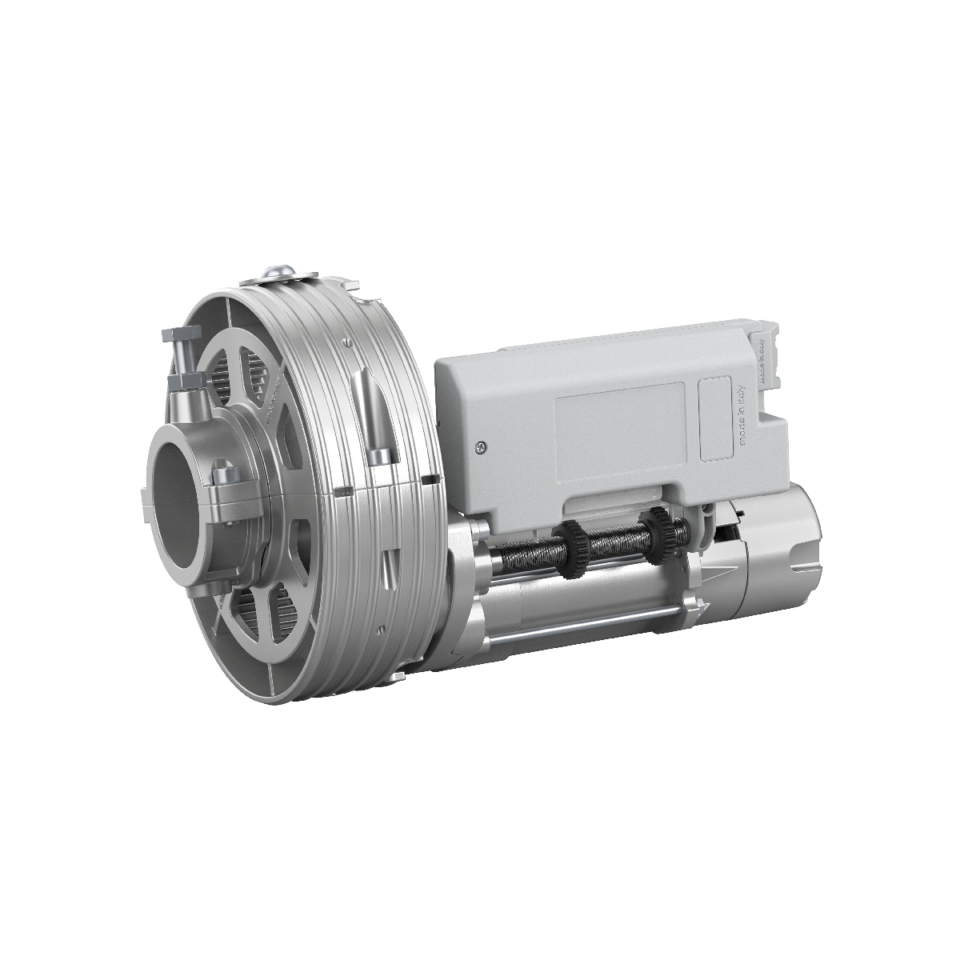
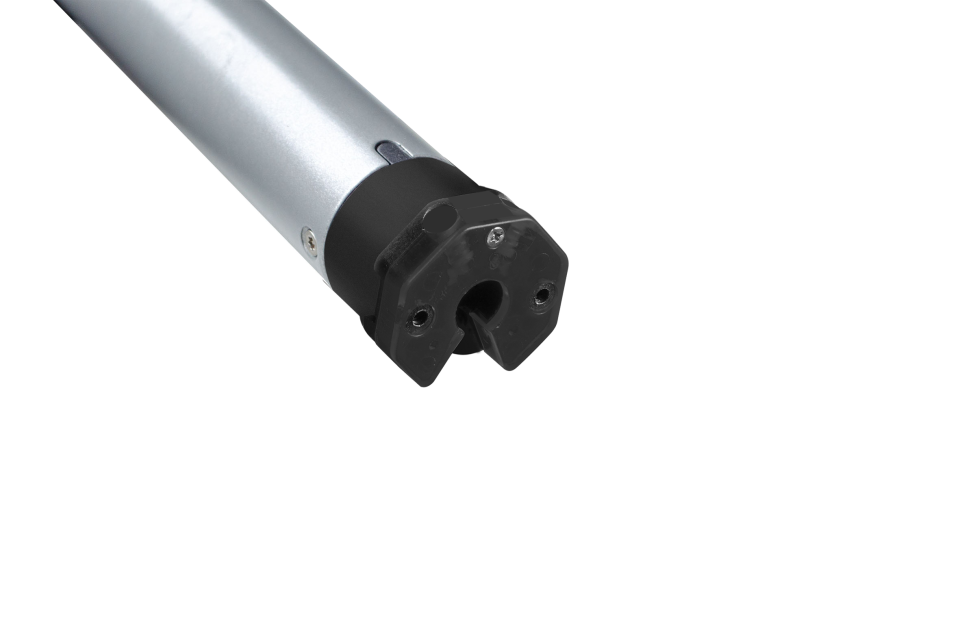
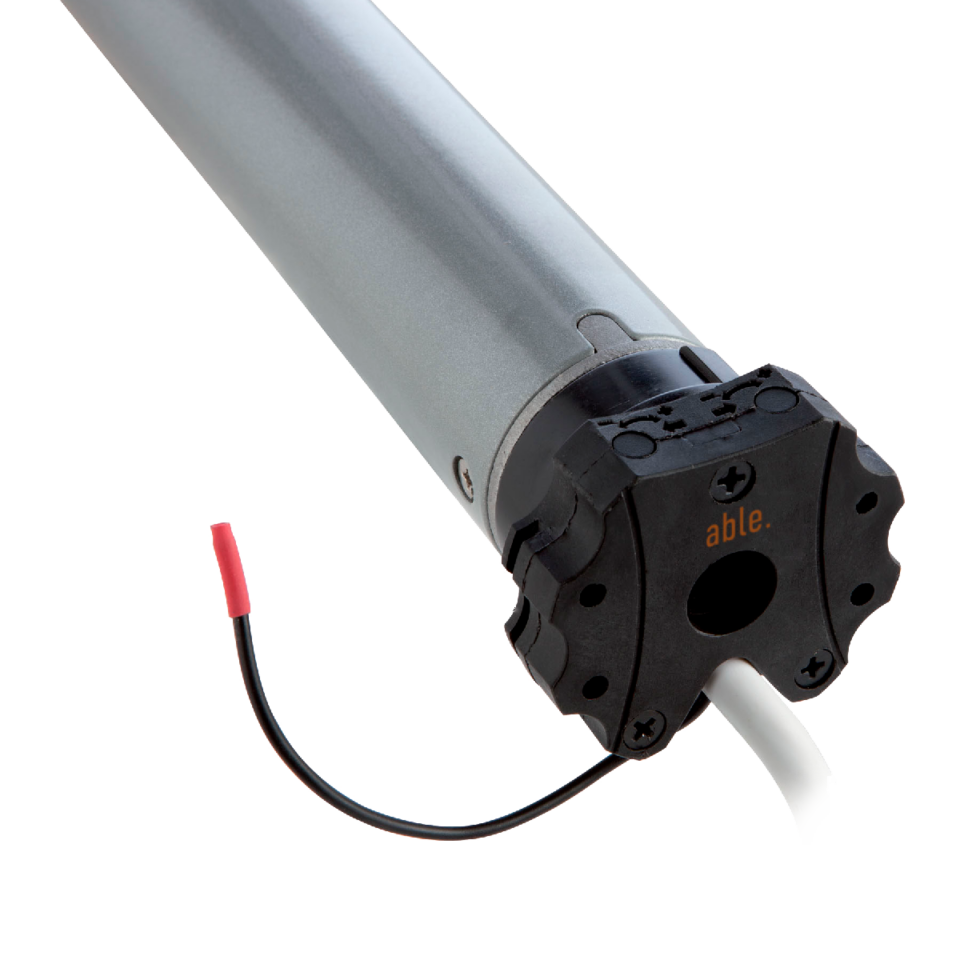
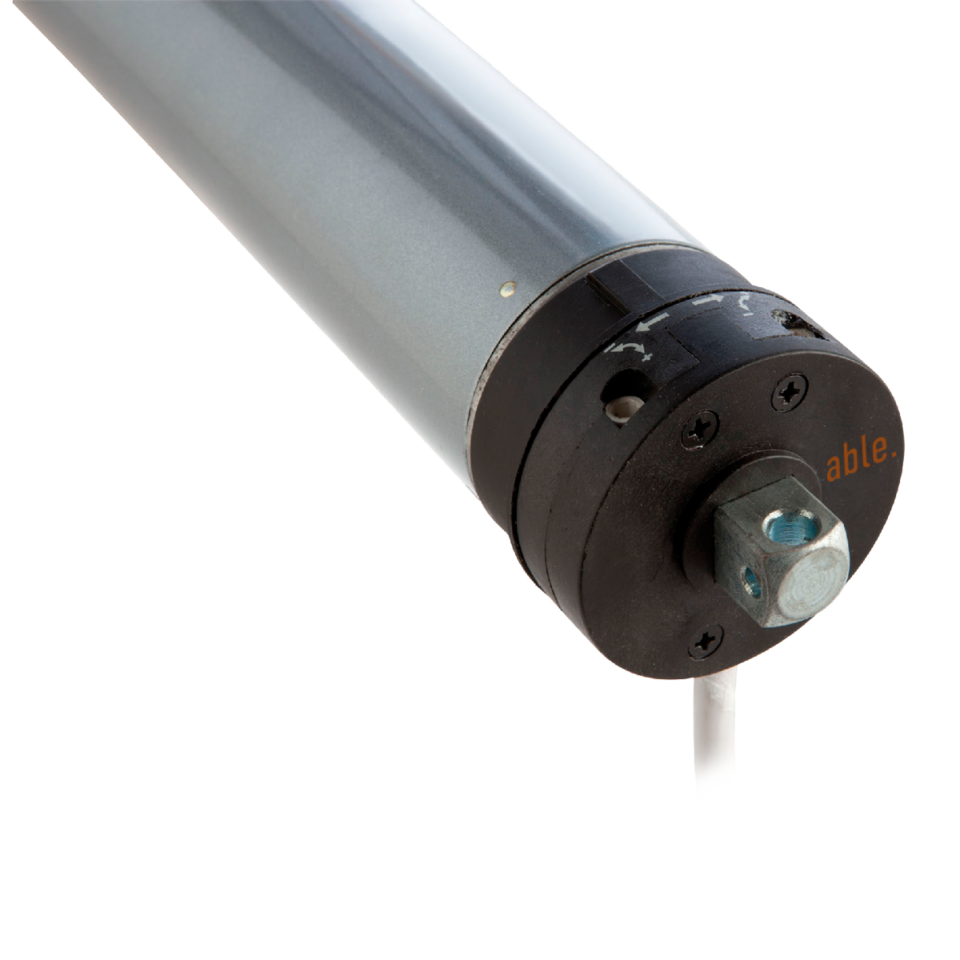
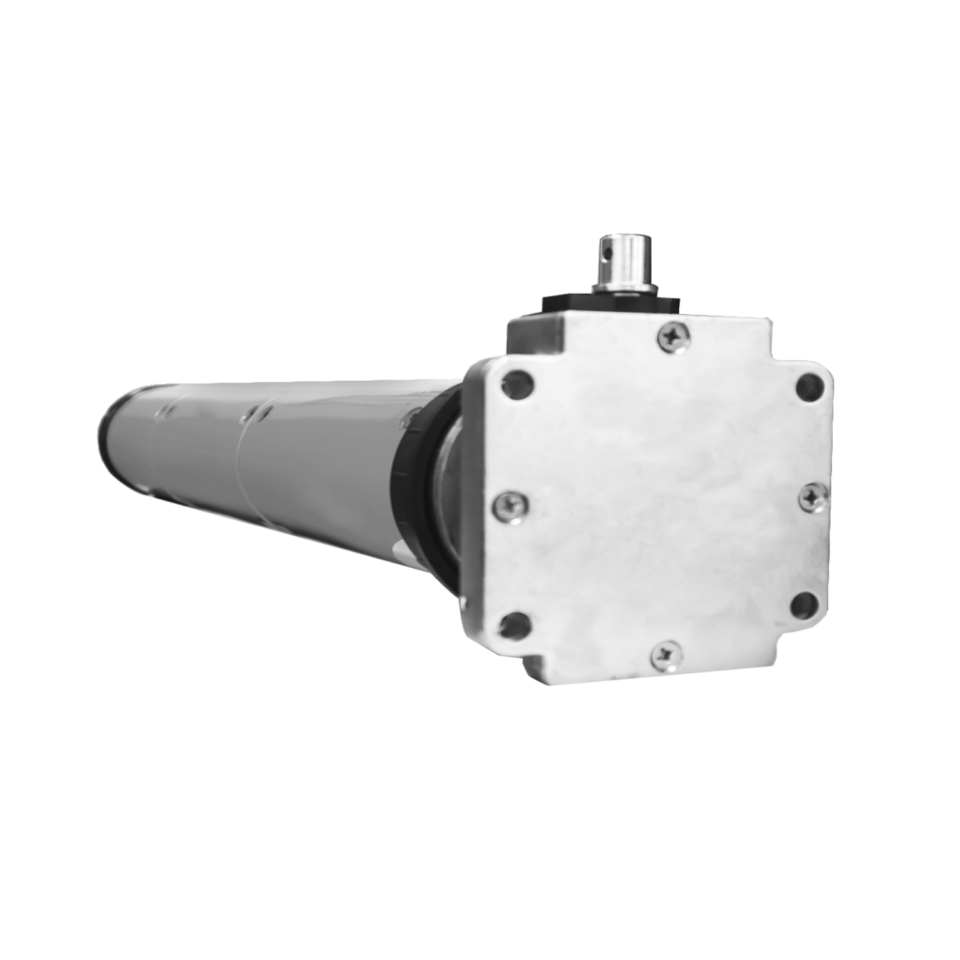
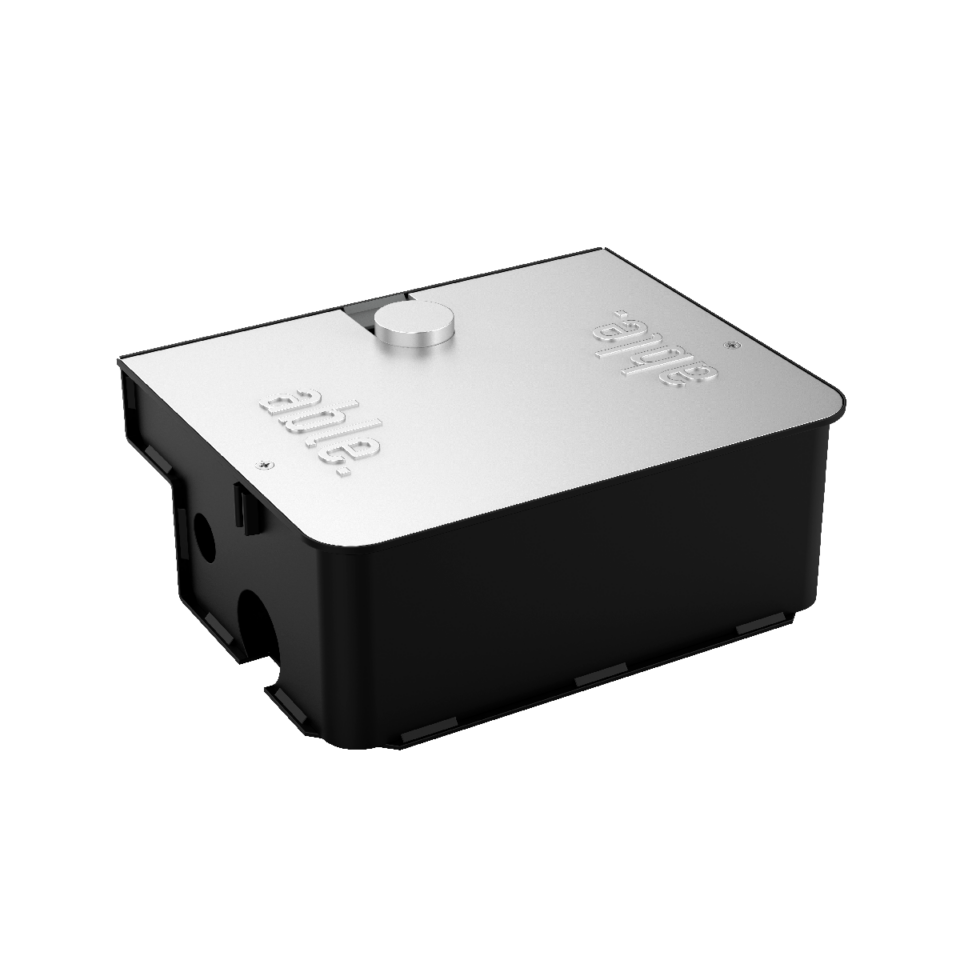
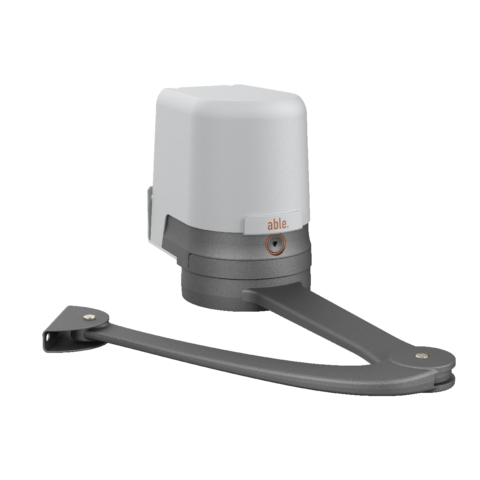
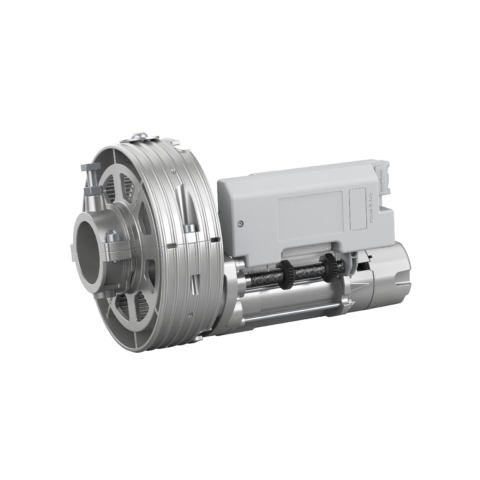
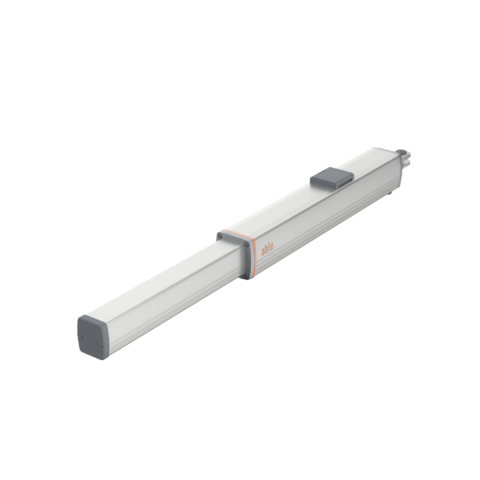
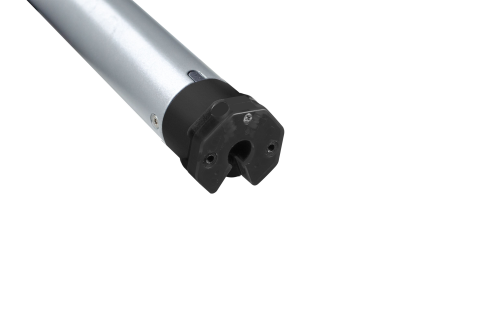
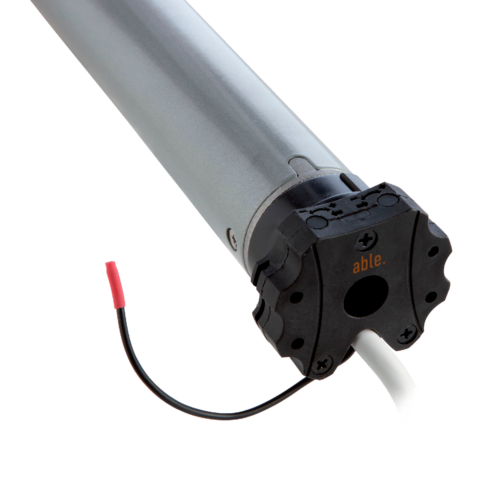
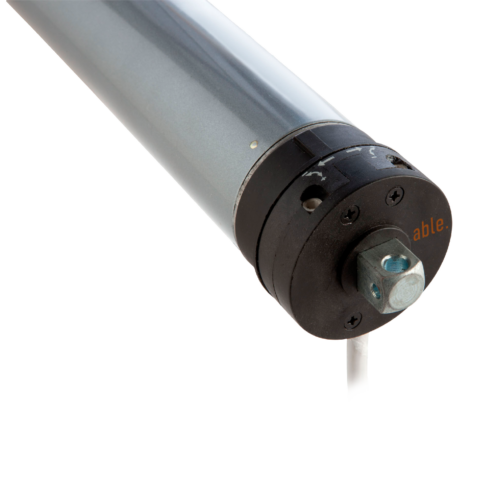
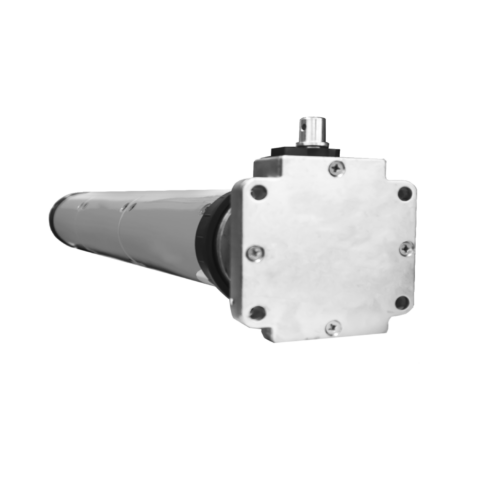
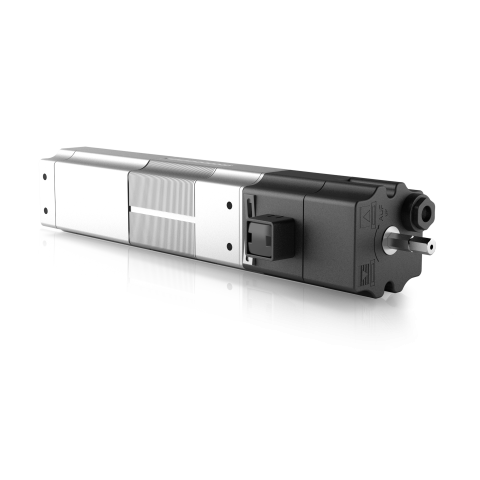
How often a system needs attention doesn’t just come down to the initial setup. It also depends on the quality of the components and the design choices behind them. Materials, manufacturing and electronics all have a direct impact on how well the automation holds its performance over time, even under heavy use and variable environmental conditions, and this is where a good deal of the automatic gate maintenance an installer will face, or avoid, in the months ahead gets decided. That’s why Able uses solutions like painted aluminium castings for strength and corrosion resistance, anti-wear gearing to limit wear on mechanical parts, magnetic limit switches that detect position via a Hall effect sensor instead of a mechanical contact that needs calibrating, and angled displays designed to make configuration and maintenance easier even when working inside the motor housing or control unit. Taken individually, these details can look minor, but together they make the system more reliable and easier to manage over the years. The same care shows up in design details like pluggable terminal blocks, rational cable routing and accessory-ready mounts, which make life easier for installers both during commissioning and during later maintenance. Able also pays close attention to energy performance, with versions compliant with Ecodesign requirements and standby consumption below 0.5 W where applicable.
Together, these solutions help keep the system reliable over time and reduce the likelihood of unscheduled automatic gate maintenance linked to component wear.
What to weigh up when choosing or replacing an automation system
When installing a new system, or replacing an existing automation, it’s worth looking beyond price and motor power. Self-learning functions, precise adjustment tools and components engineered to last are, in practice, what separates a system that needs automatic gate maintenance once a year for a routine check from one that needs it every two or three months for the same reason.
For the installer, this translates into a system that’s simpler to configure and manage over time. For the end customer, it means a reliable automation built to support daily use for years without surprises. It’s a choice that weighs more on overall automatic gate maintenance over time than on the motor’s purchase price.
When it’s worth stepping in just once
The goal isn’t to eliminate automatic gate maintenance. It remains necessary to guarantee safety and correct operation of the system, but the aim is to reduce the chances that the same fault triggers a second callout within a few weeks or months.
It makes sense to consider replacing a component, whether that’s a limit switch, a control unit or a motor, when it already shows signs of giving way, when the same fault has already come back more than once on the same system, or when the original spare part is no longer available and a stopgap fix risks becoming yet another round of automatic gate maintenance in short order. In these cases, swapping in an Able component built to last costs less, over time, than chasing the same fault again and again.
To check whether a component is compatible with an existing system, or to consult the technical documentation, the most direct reference is Able’s full product catalogue, or the Contact and Support section of the website.
What are you searching for?
Find the best product for you in few simple steps.